Commercial Printing Resource: Services, Solutions & Expert Guidance
The "Commercial Printing Guide" serves as a valuable resource for individuals navigating the challenges of printing choices. It describes the differences between digital printing and offset printing, shedding light on their unique strengths. Moreover, it addresses essential services like finishing and design that can improve a project's quality. Grasping these components is essential, yet a number of people neglect important steps in planning and budgeting. What are the typical errors, and what steps can be taken to avoid them?
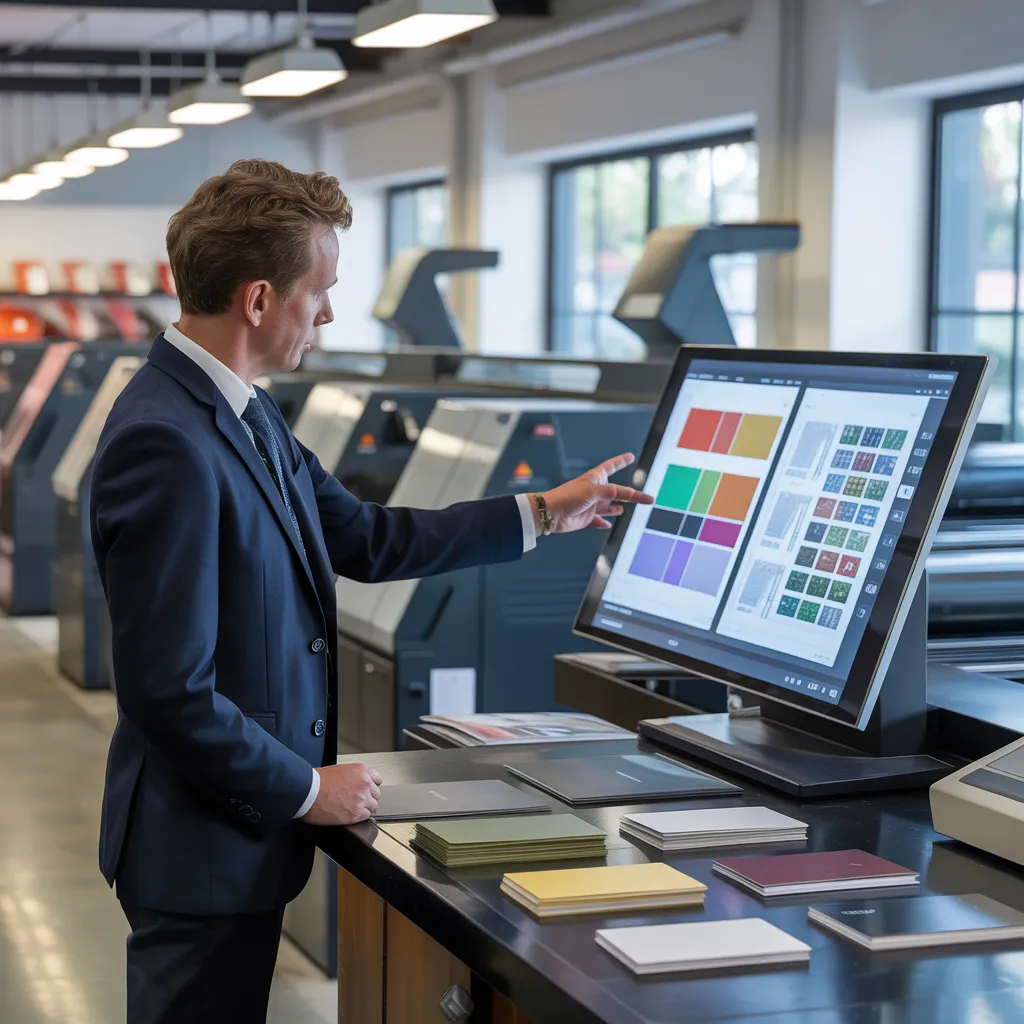
Examining Commercial Printing Methods: Digital and Offset Printing
Within the realm of commercial printing, two main methods prevail: digital and offset printing. Digital printing leverages modern technology to produce premium-quality prints directly from digital files. This method excels in short runs, enabling rapid turnaround times and flexibility in design. It readily enables variable data printing, making it especially suited for tailored marketing materials.
On the other hand, offset printing is the process of applying ink through a plate and rubber blanket system onto the printing surface. This traditional method is highly efficient for large-volume projects, providing reliable quality with brilliantly vibrant colors. Offset printing generally demands a more extensive setup period and is not as economical when used for limited quantities.
Ultimately, the choice of digital versus offset printing copyrights on project requirements, budget, and timeline. Each method presents unique benefits, serving different needs in the commercial printing industry. Recognizing these distinctions is essential for arriving at educated conclusions across printing services.
Fundamental Services in Commercial Printing: Design and Finishing
In commercial printing, design services play a vital role in shaping the visual impact of printed products. Moreover, finishing methods, such as binding and lamination, improve the overall quality and durability of the final product. Proofing is just as critical, making certain that the design satisfies client requirements before the full production run.
Overview of Design Services
Even though numerous businesses concentrate on the manufacturing elements of commercial printing, the importance of design services must not be ignored. These services play a vital role in creating visually appealing materials that effectively communicate a brand's message. Professional design services encompass various elements, including layout, typography, and color schemes, ensuring that the final product captures the intended audience's attention. Creative designers regularly partner with clients to comprehend their goals, transforming ideas into compelling graphics and structured formats. Moreover, they keep pace with evolving industry developments and proven techniques, which improves the overall excellence of the printed materials. Committing to professional design services not only elevates visual appeal but also reinforces brand recognition, ultimately boosting the effectiveness of marketing initiatives and advertising campaigns.
Finishing Techniques Explained
Many finishing techniques are crucial in the print production industry, taking printed materials from common to remarkable. These techniques enhance both the aesthetic appeal and functionality of printed items. Widely used options include laminating, which provides a safeguarding finish, and embossing, which documentation generates a raised design for a tactile effect. In addition, die-cutting allows for personalized outlines, while foil stamping brings a touch of luxury with metallic finishes. Other methods, such as UV coating, give shiny or flat surface effects, enhancing durability. Bookbinding options, including saddle stitch and perfect bind methods, are also critical for assembling pamphlets and catalogs. By applying these finishing techniques, organizations can substantially boost the overall look and lasting power of their printed pieces, ensuring they make a lasting impression.
Importance Of Proofing
Finishing techniques greatly enhance printed materials, but the importance of proofing cannot be overstated. Proofing acts as a vital phase in the printing procedure, confirming that design elements, colors, and text are correctly showcased before the final print run. It permits designers and clients to recognize and address inaccuracies, thereby preventing costly mistakes and ensuring quality control. Multiple forms of proofs, including digital, hard copy, and color proofs, offer distinct perspectives on the final product. Proofing not only improves client satisfaction but also strengthens a brand's standing by producing refined and professional materials. In the competitive landscape of commercial printing, investing time in proofing ultimately leads to superior results and client trust.
How to Choose the Right Paper for Your Printing Projects
How can someone choose the appropriate paper for various printing projects? Picking the appropriate paper depends on several key considerations. Above all, the purpose of the project is paramount; for example, promotional materials may benefit from glossy finishes that boost color vividness, while business publications might need a more restrained, non-glossy texture.
Next, the thickness of the paper plays a critical role; denser paper choices often project reliability and prestige, making them ideal for compelling print materials. Furthermore, the surface treatment—be it high-gloss, matte, or natural—can substantially impact the resulting visual and physical impression of the finished print product.
Environmental factors should also be considered; selecting sustainable materials can support a company's principles. In addition, working with experienced printing specialists can deliver recommendations suited to individual needs, ensuring that the chosen paper enhances the overall effectiveness of the project while remaining within budget constraints.
Prepare Your Files for Printing
Getting files ready for printing is a critical step that has a direct effect on the quality of the end result. Making sure that files are properly formatted is crucial; this involves applying the correct color modes, including CMYK for print, and configuring the resolution to a minimum of 300 DPI for optimal clarity. Moreover, it is essential to embed fonts or change text to outlines to eliminate any font-related problems during the printing process.
The selection of file formats should be made thoughtfully, with PDF standing as the recommended format owing to its consistent reliability and broad compatibility. Reviewing bleed and trim specifications can prevent unexpected white borders on the final printed piece. Finally, performing a thorough proofread is imperative to catch any errors before printing. By following these recommendations, individuals can greatly enhance the likelihood of achieving a professional-quality printing result.
How to Plan a Budget for Your Printing Projects
Planning a budget for printing projects necessitates a thorough understanding of the project's scope. It is essential to account for any unforeseen costs that might occur, such as labor and materials. A thoughtfully organized budget will help confirm that all aspects of the printing process are properly accounted for.
Outline Project Scope
Identifying the scope of the project is essential for accurate budgeting in print initiatives. This method includes clarifying the particular requirements, targets, and anticipated outcomes of the initiative. It is necessary to establish the materials required, such as paper grades and finishing options, as well as the volume of prints required. Furthermore, understanding timelines and deadlines can affect overall costs. Relevant stakeholders ought to partner to clarify expectations and confirm all factors, including distribution plans and design specifications, are addressed within the project scope. By outlining these parameters, a more reliable budget can be established, reducing the likelihood of unexpected expenses and delays. This transparency ultimately produces a smoother project execution and favorable results.
Account For Additional Costs
In planning a printing project, it is essential to consider additional costs that can impact the overall budget. These costs can include design charges, which may occur if professional artwork is needed, as well as setup fees for particular printing processes. Furthermore, shipping and handling fees should be considered, especially for large orders or expedited services. Taxes and potential permit fees could also impact the budget. Clients should also account for wastage, as printing often results in surplus materials. In addition, any revisions or last-minute changes can incur extra costs. By planning for these factors, businesses can develop a more precise budget and eliminate unexpected budgetary issues during the printing process.
Common Pitfalls in Commercial Printing
Traversing the world of commercial printing can be riddled with pitfalls that can undermine even the most thorough preparations. A frequent error involves overlooking the critical role of file preparation. Uploading unsuitable file formats or insufficient resolutions can lead to significant delays and disappointing results. Furthermore, neglecting the proofing process often results in oversights that were readily avoidable, leading to wasted materials and time.
Another common mistake is failing to communicate clearly with the printing company. Not clearly expressing specific requirements or expectations can lead to miscommunications that negatively impact the finished product.
Financial miscalculations also present a considerable challenge; clients commonly fail to account for concealed costs such as shipping and taxes. Ultimately, overlooking the target audience can cause poor design selections, diminishing the impact of the printed materials. Recognizing these pitfalls can pave the way for a more successful printing experience.
Professional Tips for Successful Commercial Printing
Successful commercial printing starts with careful planning and precise communication. Clients are encouraged to submit thorough specifications, such as dimensions, color selections, and material options. This ensures the printer can produce a result that matches the client's expectations. Moreover, picking the most suitable printing method—offset, digital, or large format—can have a major effect on the finished product.
It is essential to request samples before finalizing an order. This enables clients to evaluate print quality, color precision, and material appropriateness. Allocating budget for possible revisions is equally important, since adjustments can emerge during production.
Additionally, keeping open channels of communication with the printing team fosters a collaborative environment. Establishing realistic timelines ensures timely delivery and avoids unnecessary setbacks. Lastly, keeping up with industry trends and advancements can inspire creative approaches and modern methods, boosting the overall quality of commercial printing initiatives. By applying these professional recommendations, businesses can produce outstanding results that address their individual needs.
Questions Our Clients Often Ask
How Long Does a Typical Commercial Printing Project Take?
Typical turnaround times for commercial print orders fall between a single day to two weeks, according to elements such as project scope, print quantity, and the chosen printing company's abilities and demand at the time.
How Can I Locate a Trustworthy Commercial Printing Company
To locate a trustworthy commercial print provider, businesses should explore online reviews, seek recommendations from peers, assess previous work portfolios, request quotes, and assess customer service responsiveness to ensure consistent quality and dependability in their commercial printing projects.
What Environmental Consequences Does Commercial Printing Have?
Commercial printing carries environmental impacts such as water pollution, deforestation, and the generation of waste. Additionally, energy consumption and greenhouse gas emissions from production processes contribute to ecological harm, underscoring the importance of adopting sustainable practices across the industry.
Is It Possible to Print on Custom Materials or Sizes?
Absolutely, custom substrates and dimensions are available for printing. A wide range of printing services deliver customizable capabilities, permitting clients to pick distinctive substrates and custom dimensions designed for particular projects, enhancing creativity and meeting diverse requirements throughout a broad range of industries.
What Sets Short-Run Printing Apart From Long-Run Printing?
Short-run printing encompasses limited quantities, commonly designed for specialized projects, while long-run printing generates higher volumes, typically more cost-effective for each unit. Each method caters to distinct needs and financial considerations within the printing sector.